DotSpot
Created a novel AI-driven parking management system that handled permissions at scale.
Role
UI/UX Designer
Team
2 UI/UX Designers
2 ML Engineers
Contribution
User research
Field research
Ideation
High-fidelity mockups
Timeline
1 week
March 2025
Overview
ABOUT THE PROJECT
This project was developed as part of the EY's Info Challenge 2025 hackathon at UMD, in collaboration with the University of Maryland’s Department of Transportation Services (DOTS).
DOTS manages parking across a large and complex campus environment, serving over 50,000 students, faculty, staff, and visitors. Parking rules vary by lot, user type, time of day, and special events, with 15 different violation types enforced. During business hours (8 AM–4 PM), DOTS receives a high volume of parking-related inquiries, largely driven by confusion around permissions and rule changes.
The challenge focused on exploring how AI and ML could help reduce this ambiguity and improve both the customer and administrative experience.
OUTCOME
Our proposed solution received the Outstanding AI/ML Project Award. DOTS identified the concept as a strong proof of potential for improving parking clarity on campus.
Given the rule-based and predictable nature of parking permissions, the model achieved 100% accuracy when evaluated against the provided training and test data, which followed the same rule set.
Problem Statement
FACTORS AFFECTING PARKIGN
UMD’s parking system includes more than 78 permission types, over 50 parking areas, and frequent rule changes due to events, construction, and time-based enforcement. Despite this complexity, there was no clear, user-facing way for drivers to determine where they were allowed to park at a given moment.
As a result, users often spent 30 minutes to over an hour searching for a valid parking spot, followed by an additional 15–30 minute walk to their destination. Parking rules also shifted at predictable but easy-to-miss times, such as 7 AM, 4 PM, and weekends, making it difficult for users to keep track of changes. Many reported receiving tickets simply for not moving their vehicle in time.
The system relied on color-coded lots and alphanumeric identifiers that differed by user type (faculty, staff, students, visitors), which further increased confusion. In parallel, DOTS staff spent significant time responding to clarification requests and resolving misunderstandings.
🤔
Unclear parking eligibility
⏳
Time lost searching and relocating
🔄
Frequent, easy-to-miss rule changes
☎️
High operational load on DOTS
Approach
UNDERSTANDING THE PARKING LOTS
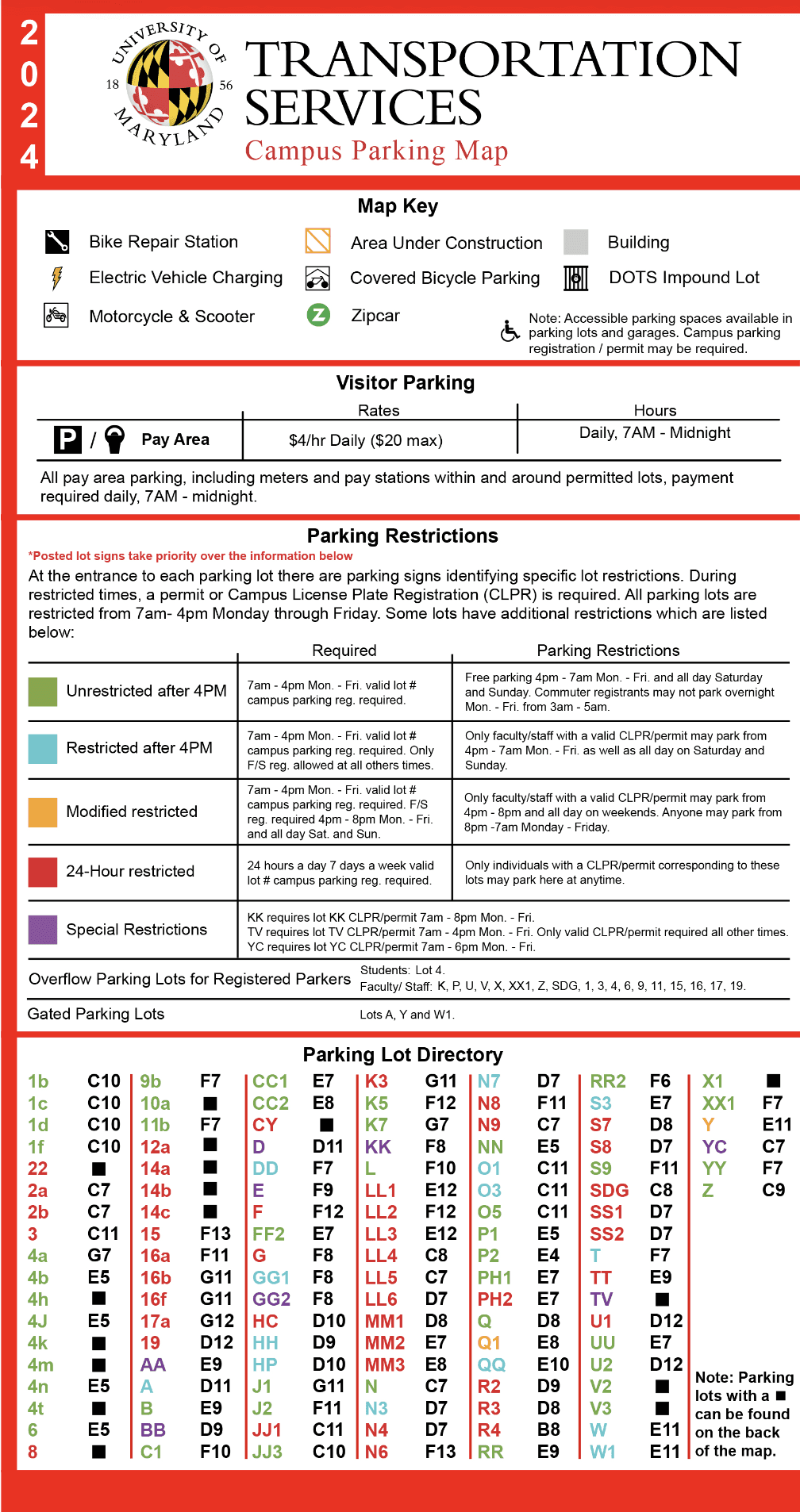
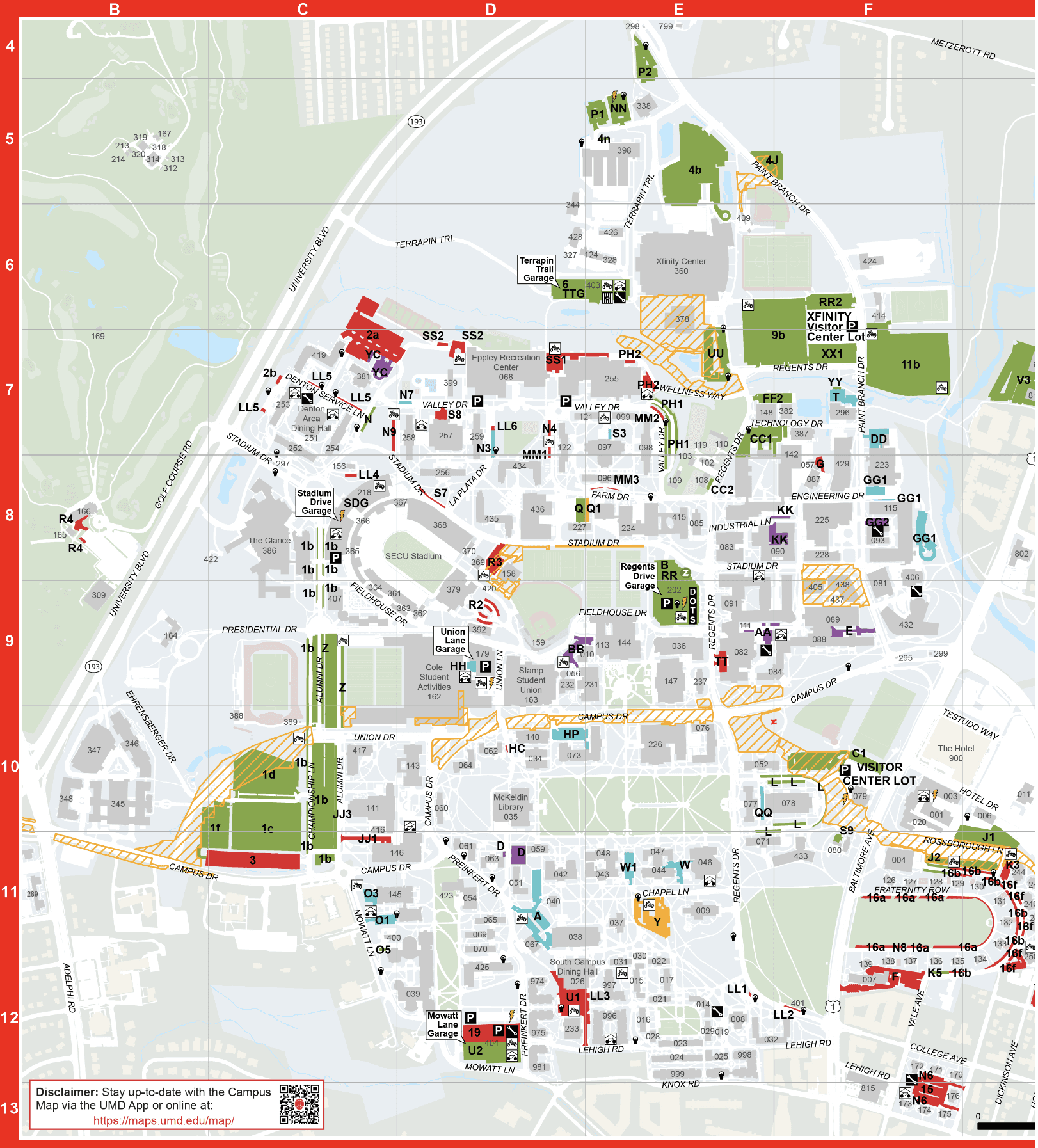
We analyzed multiple sources of parking information, including color-coded campus maps, parking lot directories, building code references, and special event parking maps for large events such as football and basketball games. Reviewing these materials helped us understand how parking rules were communicated and where inconsistencies or gaps existed.
USER INTERVIEWS
We interviewed one DOTS employee, one visitor, two faculty members, and four students. Despite having different permit types, participants described similar pain points:
Planning parking well in advance to avoid uncertainty
Spending significant time searching for valid spots
Difficulty tracking permission changes after 4 PM and before 7 AM
Receiving tickets due to missed rule transitions
The DOTS employee highlighted the cognitive load required to remember changing rules and handle repeated questions. Email announcements about parking changes were often missed, leading to increased confusion and follow-up calls.
FIELD RESEARCH AND DATA CLEANING
Users were required to create accounts on the UMD Parking Portal linked to their UID, through which they purchased permits and selected eligible lots.
Current state includes permit purchasing and lot selection happen in a separate parking portal, requiring users to manually interpret how their selections apply across time, rules, and events.
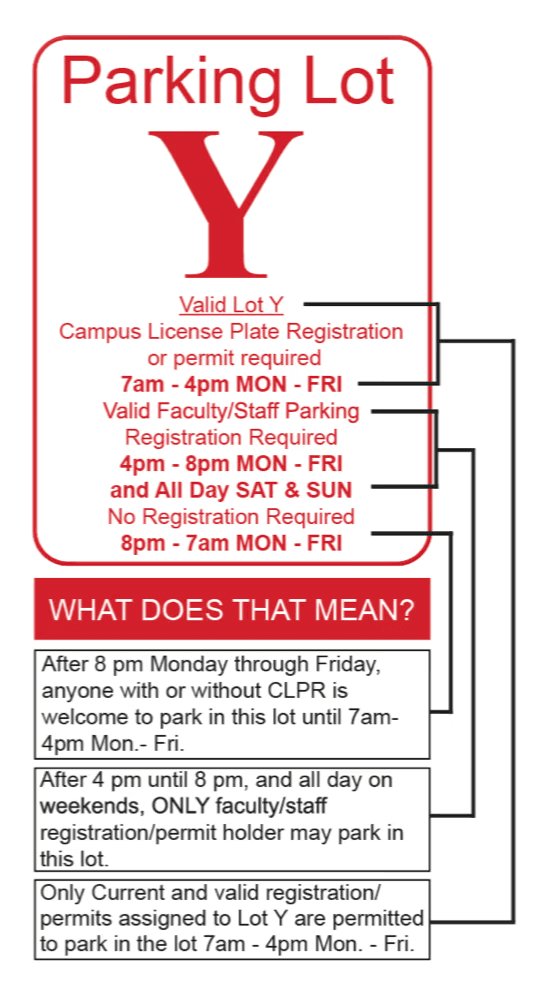
We visited parking lots across campus to compare real-world signage and enforcement rules with the provided datasets. This revealed gaps and inconsistencies in the data, which we manually cleaned and structured to ensure logical completeness.
Field observations also helped us understand the physical effort involved in relocating vehicles and walking to destinations, reinforcing the real cost of parking uncertainty for users.
34.5%
of out-of-scope data eliminated
14.6%
of time gaps were resolved
37.3%
of incorrect valid-permission counts were corrected
2.7%
of redundant rows eliminated
Solution
Rather than designing a single user-facing app, we created a two-sided system:
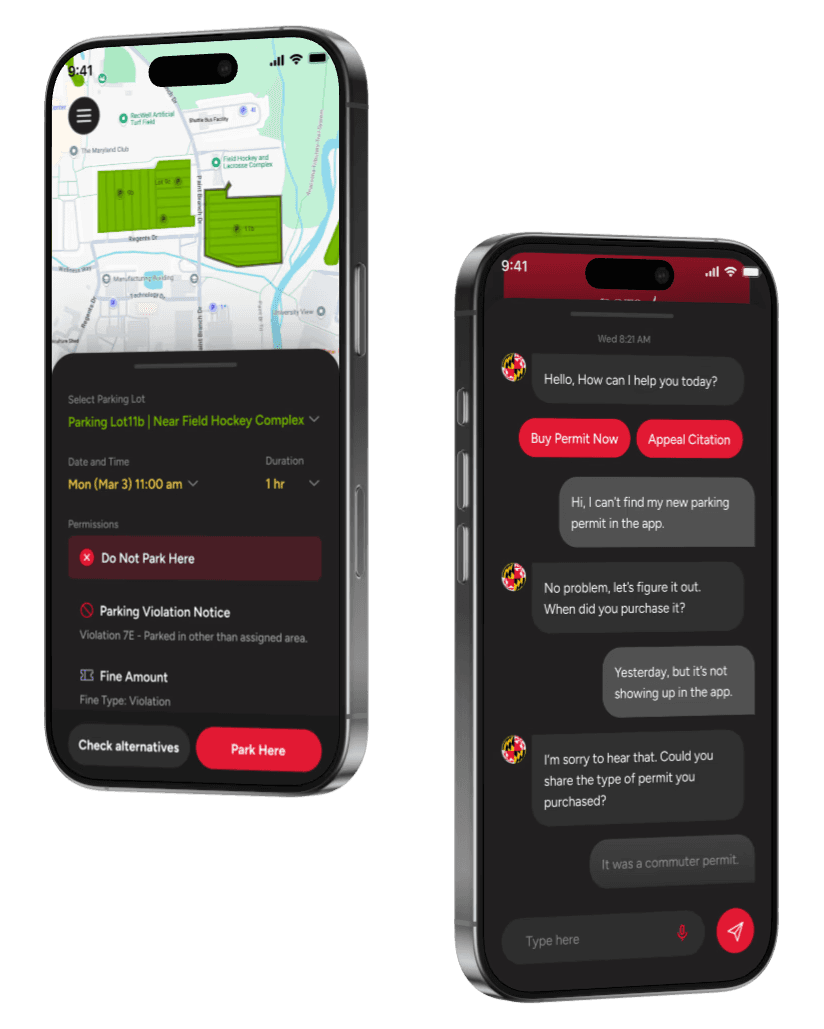
A map-based, AI-assisted experience for drivers seeking parking guidance
An internal dashboard for DOTS staff to manage permissions and communicate changes
The following features were prioritised:
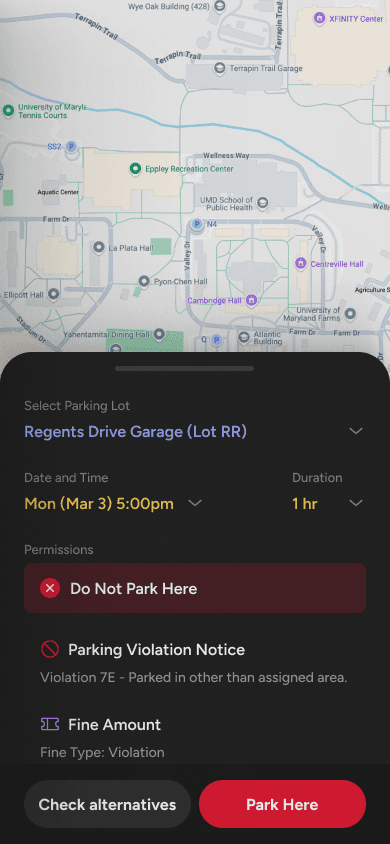
Color-coded map
A color-coded parking map showing available and restricted lots based on the user’s UID and permit
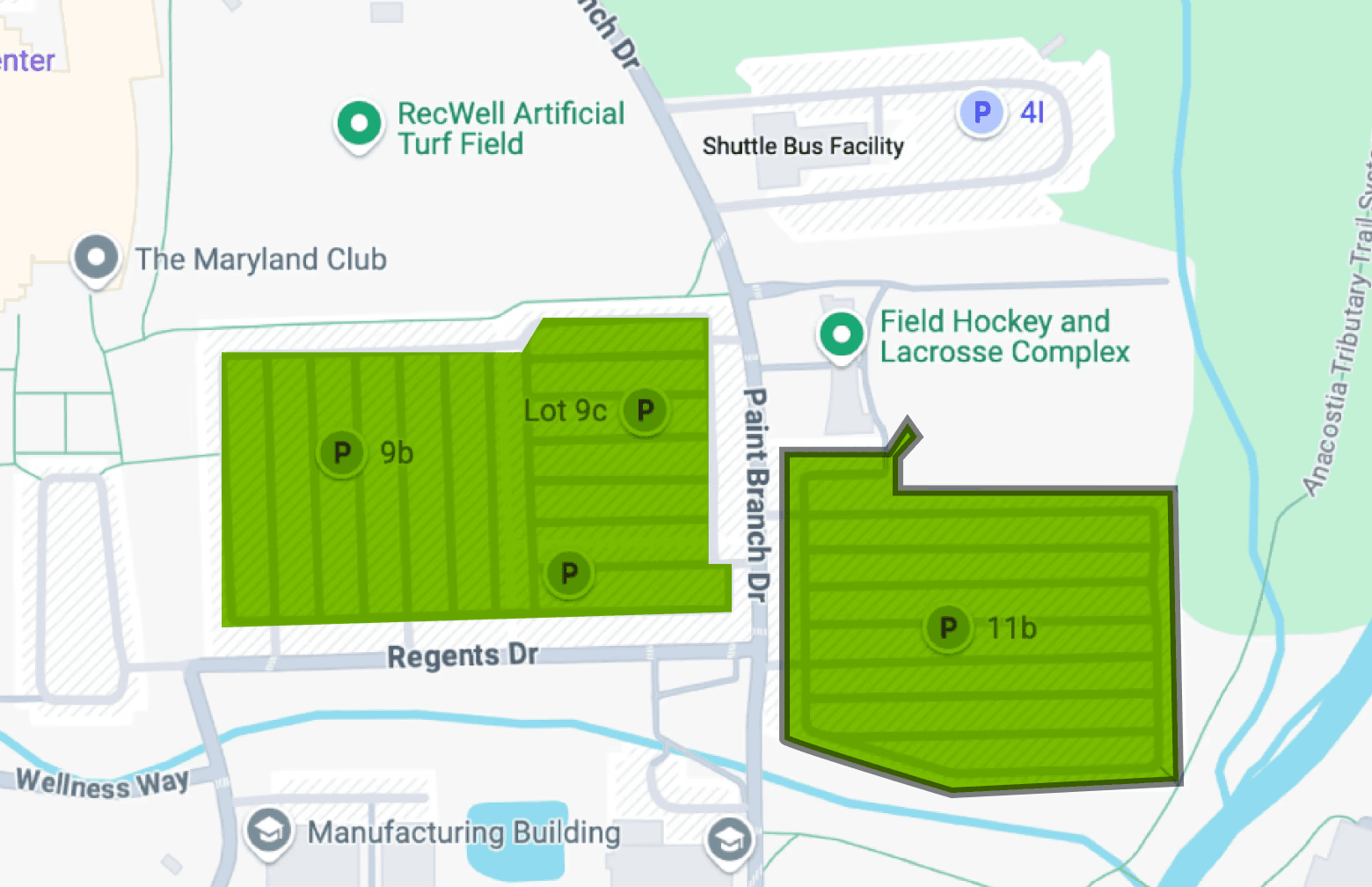
Highlight map
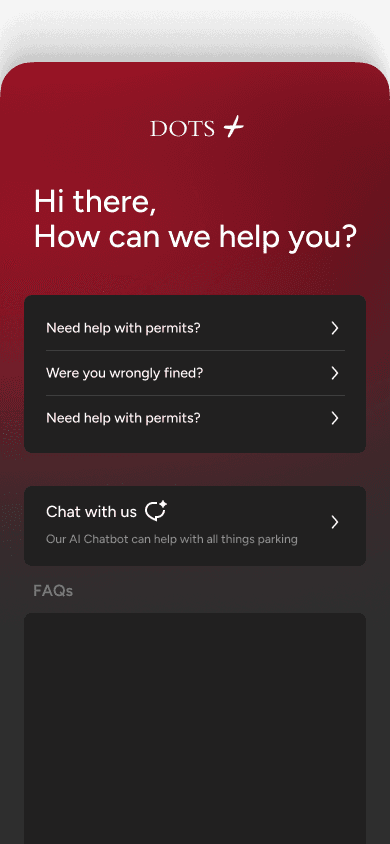
AI-chatbot
An AI chatbot that answered parking-related questions conversationally

9:41

Hello, How can I help you today?
Buy Permit Now
Appeal Citation
No problem, let’s figure it out. When did you purchase it?
I’m sorry to hear that. Could you share the type of permit you purchased?
Hi, I can’t find my new parking permit in the app.
Yesterday, but it’s not showing up in the app.
It was a commuter permit.
Wed 8:21 AM
Type here
Admin dashboard
A lightweight admin dashboard that allowed DOTS staff to update permissions for special events and exceptions
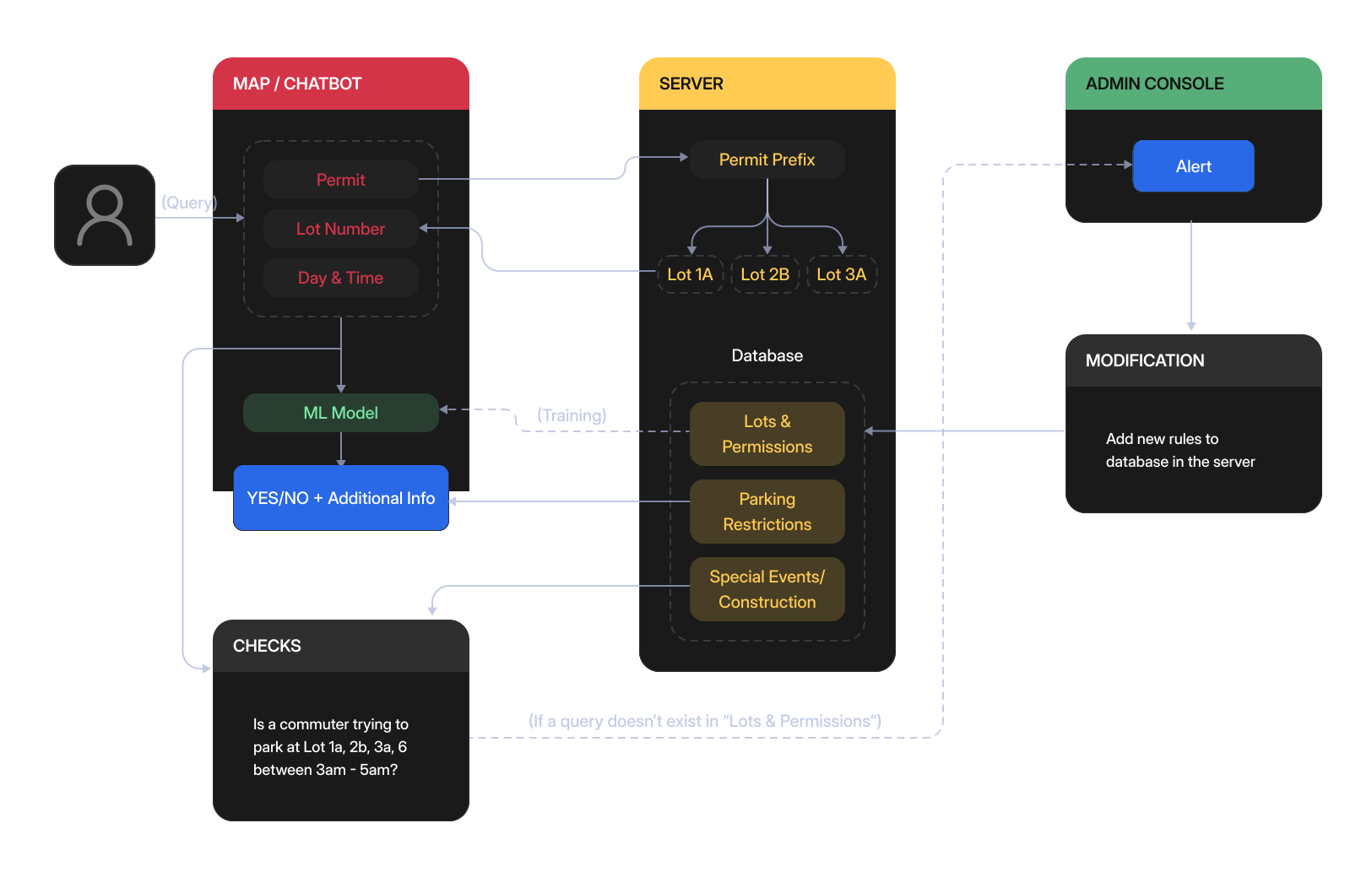
Algorithm Logic
Final Prototype
DESIGN DECISION: MAP-FIRST OVER CHATBOT-FIRST
Parking decisions are often made in-motion; conversational interaction adds friction and safety risk.
A glanceable, color-coded map enables faster, more confident decision-making.
AI was applied selectively where it added value, rather than being forced into the core flow.
DRIVER-SIDE APP
ADMIN-SIDE DASHBOARD
Conclusion
RESULT AND REFLECTION
The project received the Outstanding AI/ML Project Award at Info Challenge 2025.
While the challenge emphasized AI/ML, the most effective UX outcome came from prioritizing speed, clarity, and safety in real parking scenarios.
Because parking permissions followed a deterministic rule set, the model achieved 100% accuracy under the provided conditions, but did not require predictive intelligence for real-time use.
A map-based interface reduced cognitive load and violation risk more effectively than conversational interaction during active parking.
The AI chatbot was intentionally positioned for advance planning, where users could safely explore parking eligibility and edge cases.
FUTURE ENHANCEMENTS
Ordering permits for parking lots through the app itself
Smart permit validation and fraud detection using real-time consistency checks
Integration with external data sources, such as traffic, weather, and campus event schedules
Anomaly detection to surface unusual parking patterns for proactive enforcement
Scenario simulation tools to model the impact of policy or event-based changes on parking availability
" height="273.7069983520508px" id="a8eCzaJpP" width="1026.7200219726565px"/></svg>)